
PS1 Tactical RPGs: Final Fantasy Tactics or Front Mission 3?
Choose Final Fantasy Tactics for a fantasy campaign with a flexible job-and-ability system. Choose Front Mission 3 for turn-based mech battles and a science-fiction conspiracy. Both make preparation and positioning part of the role-playing experience.
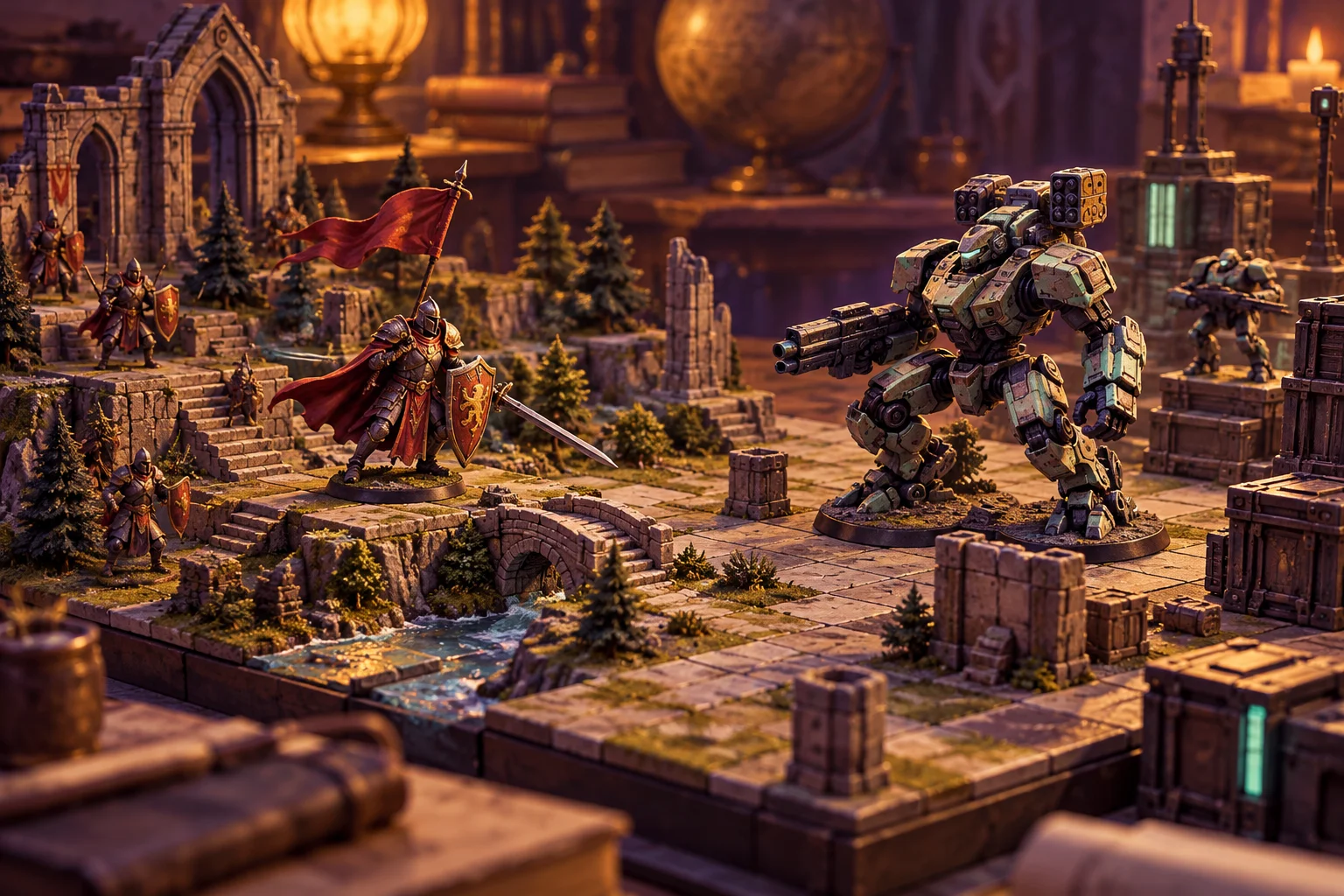
The distinction is more useful than a universal ranking. If you prefer a more conventional adventure with town exploration and regular battles, compare the broader PS1 RPG selection first.
On this page
Final Fantasy Tactics: develop roles for a party
Final Fantasy Tactics takes place in Ivalice and builds battles around units with different jobs and abilities. Character development creates opportunities to combine skills rather than keeping every party member in one simple role forever.
Pick it if designing a party sounds as enjoyable as commanding it. A useful first goal is to understand what each deployed unit contributes: damage, support, recovery or control of a position. The fact that a unit can reach an enemy does not mean moving it there is the best use of the turn.
Avoid redesigning the whole group after one difficult battle. First ask whether the intended roles were actually supported. A fragile attacker isolated from the rest of the party can fail even when its abilities look impressive on a menu.
Front Mission 3: machinery and military intrigue
Front Mission 3 follows Kazuki Takemura in a world where Wanzers—large piloted combat machines—play a central military role. The campaign offers two storylines, giving the game another reason to revisit it beyond improving a battle result.
Choose it if the science-fiction setting and the idea of fielding a mech squad are the attraction. It offers a different fantasy from commanding mages and knights: your interest is in the machines, their pilots and the conflict they enter.
For a first run, commit to the route you encounter instead of trying to experience every branch simultaneously. Keep an early save if the game allows it and you expect to replay, but let the current campaign remain coherent.
Before confirming a turn, check three things
First, examine what the enemy can do after your move. Reaching a target is only half the decision if several opponents can retaliate from positions you ignored.
Second, check what your allies can contribute next. Moving the entire group towards the closest enemy may leave no useful response to a threat on another side. Think about the next sequence of turns, not just the move that looks strongest now.
Third, look at the objective. A tactical battle is not always best understood as “remove everything as fast as possible.” Use the conditions actually shown by the game as the reference for what success requires.
Which campaign should you commit to first?
Pick Final Fantasy Tactics when you want to experiment with character roles and enjoy a fantasy political drama. Pick Front Mission 3 when its machines and military setting make you curious enough to follow a longer campaign.
In either case, record your current objective and one development goal before a break. “Improve the support role” or “review the squad setup before the next battle” is more useful than returning to a save without remembering the plan.
For related handheld choices, our PSP strategy games guide explores another selection. If you want a more linear Final Fantasy story, see the Final Fantasy IV collection guide.
Originals, rereleases and your save files
The PS1 Final Fantasy Tactics, PSP The War of the Lions and later The Ivalice Chronicles are distinct releases. Likewise, an article about a Front Mission remake may discuss features beyond the original PS1 game. Match walkthroughs to your exact edition.
Use normal in-game saves and keep useful earlier slots where available. Follow the PS1 setup instructions for your own supported copy in EMUspace. Additional Pro save states can help with short sessions, but should not be treated as interchangeable saves for another edition.
Keep exploring
Sources and edition notes
This guide discusses the original PS1 releases. Publisher articles about later reissues are used for historical context; reissue features are not assumed to exist in the originals or in EMUspace.